


» بلاگ » Zoo Enclosure Wire Mesh Options: Choosing the Right Material
Zoo Enclosure Wire Mesh Options: Choosing the Right Material
March 28, 2024
Constructing a zoo enclosure involves meticulous planning and attention to various factors, such as the specific needs of the animals, their behavior, and the surrounding environment. This guide will walk you through the steps to build a safe, comfortable, and engaging zoo enclosure that caters to the needs of both animals and visitors.

Step 1: Research and Planning
Start by studying the natural habitat, behavior, and needs of the animal species that will inhabit the enclosure. Consult with experts, like zoologists and animal behaviorists, to ensure the enclosure meets the animals’ needs. Determine the appropriate size, layout, and materials based on the animals’ requirements and available resources.
Step 2: Design and Approval
Develop a detailed design of the zoo enclosure, incorporating all the features and elements necessary to replicate the animals’ natural habitat as closely as possible. Make sure the design adheres to relevant safety and welfare standards for animals and visitors. Obtain necessary permits and approvals from relevant authorities before beginning construction.
Step 3: Site Preparation
Clear the chosen site of debris, vegetation, or obstacles that could interfere with construction. Mark the boundaries of the zoo enclosure and any features, such as viewing areas or visitor pathways. Prepare the ground for construction by leveling the area and ensuring proper drainage.
Step 4: Construction of the Enclosure
Construct the enclosure’s perimeter using materials like concrete, brick, or steel, depending on the design and animals’ needs. Install the appropriate wire mesh or fencing, ensuring it is secure and suitable for the specific animals housed. Build any additional features, such as shelters, climbing structures, or water features, to provide the animals with a comfortable and stimulating environment.
Step 5: Landscaping and Habitat Creation
Incorporate natural elements like plants, rocks, and logs to create a habitat resembling the animals’ natural environment. Ensure the enclosure offers ample space for the animals to move around, hide, and engage in natural behaviors. Install proper drainage systems to maintain a clean and healthy environment for the animals.
Step 6: Installation of Utilities and Equipment for zoo enclosure
Set up heating, cooling, and lighting systems as required for the specific animals and their needs. Install necessary equipment for feeding, watering, اور تھیلے کی صفائی کرنا. جانوروں کو متحرک کرنے کے لیے تفریحی اشیاء فراہم کریں’ جسمانی اور ذہنی صحت.
Step 7: حفاظتی اقدامات اور معائنہ جات
چڑیا گھر کے تھیلے کے اردگرد رکاوٹیں یا باڑ لگائیں تاکہ جانوروں اور زائرین دونوں کی حفاظت ہو سکے. تھیلے کے اندر تمام سازوسامان اور ڈھانچوں کو محفوظ اور خطرات سے پاک رکھیں. جانوروں کو تھیلے میں داخل کرنے سے پہلے اس کی مکمل جانچ کریں تاکہ یقینی بنایا جا سکے کہ سب کچھ درست طریقے سے کام کر رہا ہے.
Step 8: جانوروں کا تعارف اور ماحول سے مطابقت پیدا کرنا
جانوروں کو احتیاط سے اور اہل پیشہ افراد کی نگرانی میں تھیلے تک منتقل کریں. جانوروں کو اپنے نئے ماحول میں مطابقت پیدا کرنے کا وقت دیں, ان کے رویے اور صحت کا بغور مشاہدہ کریں. کسی بھی نئے معمولات کے لیے جانوروں کو بتدریج متعارف کروائیں, جیسے کھانے کے اوقات یا چڑیا گھر کے دیکھ بھال کنندگان کے ساتھ تعامل.
Step 9: Ongoing Maintenance and Monitoring zoo enclosure
Regularly inspect and maintain the enclosure, equipment, and structures to ensure their continued safety and functionality. Monitor the animals’ health and behavior, making adjustments to the enclosure or care routines as necessary. Evaluate the enclosure’s effectiveness in meeting the animals’ needs and make improvements as needed.
نتیجہ
By following these steps and collaborating with experts, you can create a safe, comfortable, and stimulating zoo enclosure that satisfies the needs of both the animals and visitors.
Selecting the right wire mesh for a zoo enclosure is essential for ensuring the safety and comfort of the animals. Consider the animal’s size, طاقت, behavior, and the enclosure’s location and environmental conditions when choosing the appropriate wire mesh. Various wire mesh types are available, each with its advantages:
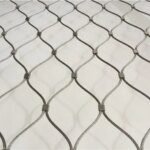
Stainless steel wire rope mesh zoo enclosure :
This mesh is strong, پائیدار, and corrosion-resistant, making it suitable for both indoor and outdoor enclosures. It can accommodate a wide range of animals, from small birds to large mammals, thanks to customizable wire diameters and mesh apertures.

welded wire mesh:
Composed of steel wires welded together at each intersection, this rigid mesh is often used for medium to large-sized animals like ungulates, primates, and big cats. It is sturdy, طویل مدتی ہے, and comes in various sizes and materials, including stainless steel and galvanized steel.

chain link fence zoo enclosure:
This cost-effective option consists of interlinked steel wires forming a diamond-shaped pattern. It is suitable for various animals, such as birds, primates, and canines, لیکن یہ بڑے یا طاقتور جانوروں کے لیے مثالی نہیں ہو سکتا جو میش کو نقصان پہنچا سکتے ہیں.

وسیع دھات کا جالی نما میش:
ایک ٹھوس دھات کی پلیٹ سے بنایا گیا جو چاک اور کھینچ کر ہیرے کی شکل کے نمونے میں تشکیل دی گئی ہے, یہ مضبوط اور پائیدار میش اچھی نظر فراہم کرتا ہے اور مختلف جانوروں کے پنجرے کے لیے موزوں ہے.
چھہ کونہ تار میش:
چکن وائر یا پولٹری نیٹنگ کے نام سے بھی جانا جاتا ہے, یہ میش فولادی تاروں سے بنایا گیا ہے جو چھہ کونہ کھلیوں بنانے کے لیے ایک دوسرے میں مڑے ہوئے ہیں. اسے عام طور پر چھوٹے جانوروں اور پرندوں کے پنجرے میں استعمال کیا جاتا ہے, لیکن یہ بڑے یا طاقتور جانوروں کے لیے موزوں نہیں ہو سکتا.
پی وی سی لیپت تار میش:
یہ میش فولادی تاروں سے بنایا گیا ہے جس پر پی وی سی کی ایک تہہ چڑھائی گئی ہے (پولی وینائل کلورائیڈ) زنگ اور موسمی اثرات سے اضافی تحفظ کے لیے. It is suitable for various animal enclosures and comes in different colors to blend with the environment.
کرمپڈ وائر میش:
Created by weaving pre-crimped steel wires bent into wave-like shapes, this rigid and stable mesh is known for its strength, پائیداری, and versatility. It is suitable for various animal enclosures, including those for large or strong animals. crimped wire mesh is available in stainless steel, galvanized steel, or other materials, and comes in different sizes and wire thicknesses to meet specific enclosure requirements.
By considering these factors and the unique needs of the animals, you can choose the appropriate wire mesh for your zoo enclosure to ensure safety, comfort, and proper care.
شاید آپ کو یہ بھی پسند آئے
 واپسی کی پالیسی
 اسٹینلیس اسٹیل کیبل کے بُنے ہوئے جالی میش بہترین انتخاب ہیں
 اسٹینلیس اسٹیل کیبل کھلا فیریل میش
 چڑیا گھر میش: چڑیا گھروں میں حفاظت اور فلاح و بہبود میں اضافہ
 چڑیا گھر میش: محفوظ اور دلچسپ جانوروں کے رہائشی علاقوں کی کلید
© 2006– BMP. تمام حقوق محفوظ ہیں.