Constructing a zoo enclosure involves meticulous planning and attention to various factors, such as the specific needs of the animals, their behavior, and the surrounding environment. This guide will walk you through the steps to build a safe, comfortable, and engaging zoo enclosure that caters to the needs of both animals and visitors.

Step 1: Research and Planning
Start by studying the natural habitat, behavior, and needs of the animal species that will inhabit the enclosure. Consult with experts, like zoologists and animal behaviorists, to ensure the enclosure meets the animals’ needs. Determine the appropriate size, layout, and materials based on the animals’ requirements and available resources.
Step 2: Design and Approval
Develop a detailed design of the zoo enclosure, incorporating all the features and elements necessary to replicate the animals’ natural habitat as closely as possible. Make sure the design adheres to relevant safety and welfare standards for animals and visitors. Obtain necessary permits and approvals from relevant authorities before beginning construction.
Step 3: Site Preparation
Clear the chosen site of debris, vegetation, or obstacles that could interfere with construction. Mark the boundaries of the zoo enclosure and any features, such as viewing areas or visitor pathways. Prepare the ground for construction by leveling the area and ensuring proper drainage.
Step 4: Construction of the Enclosure
Construct the enclosure’s perimeter using materials like concrete, brick, or steel, depending on the design and animals’ needs. Install the appropriate wire mesh or fencing, ensuring it is secure and suitable for the specific animals housed. Build any additional features, such as shelters, climbing structures, or water features, to provide the animals with a comfortable and stimulating environment.
Step 5: Landscaping and Habitat Creation
Incorporate natural elements like plants, rocks, and logs to create a habitat resembling the animals’ natural environment. Ensure the enclosure offers ample space for the animals to move around, hide, and engage in natural behaviors. Install proper drainage systems to maintain a clean and healthy environment for the animals.
Step 6: Installation of Utilities and Equipment for zoo enclosure
Set up heating, cooling, and lighting systems as required for the specific animals and their needs. Install necessary equipment for feeding, watering, dhe pastrimin e ambientit të kafazit. Siguroni objekte për stimulimin e kafshëve’ mirqenia fizike dhe mendore.
Step 7: Masat e Sigurisë dhe Inspektimet
Vendosni barriera ose gardhe rreth ambientit të kafazit për të mbrojtur si kafshët ashtu edhe vizitorët. Sigurohuni që të gjitha pajisjet dhe strukturat brenda kafazit të jenë të sigurta dhe pa rreziqe. Kryeni një inspektim të plotë të kafazit para se të prezantoni kafshët për t'u siguruar që gjithçka është në vend dhe funksionon si duhet.
Step 8: Prezantimi dhe Akklimatizimi i Kafshëve
Transportoni kafshët drejt kafazit me kujdes dhe nën mbikëqyrjen e profesionistëve të kualifikuar. Lejoni që kafshët të kenë kohë të akklimatizohen në ambientin e tyre të ri, monitoroni sjelljen dhe shëndetin e tyre nga afër. Prezantoni gradualisht kafshët me çdo rutinë të re, siç janë oraret e ushqyerjes ose ndërveprimi me kujdestarët e kafazëve.
Step 9: Ongoing Maintenance and Monitoring zoo enclosure
Regularly inspect and maintain the enclosure, equipment, and structures to ensure their continued safety and functionality. Monitor the animals’ health and behavior, making adjustments to the enclosure or care routines as necessary. Evaluate the enclosure’s effectiveness in meeting the animals’ needs and make improvements as needed.
Përfundim
By following these steps and collaborating with experts, you can create a safe, comfortable, and stimulating zoo enclosure that satisfies the needs of both the animals and visitors.
Selecting the right wire mesh for a zoo enclosure is essential for ensuring the safety and comfort of the animals. Consider the animal’s size, forca, behavior, and the enclosure’s location and environmental conditions when choosing the appropriate wire mesh. Various wire mesh types are available, each with its advantages:
Stainless steel wire rope mesh zoo enclosure :
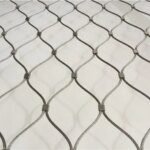
Kjo rrjetë është e fortë, të qëndrueshme, dhe rezistent ndaj korrozionit, making it suitable for both indoor and outdoor enclosures. It can accommodate a wide range of animals, from small birds to large mammals, thanks to customizable wire diameters and mesh apertures.

rrjetë e salduar me tel:
Composed of steel wires welded together at each intersection, this rigid mesh is often used for medium to large-sized animals like ungulates, primates, and big cats. It is sturdy, e qëndrueshme, and comes in various sizes and materials, including stainless steel and galvanized steel.
chain link fence zoo enclosure:
This cost-effective option consists of interlinked steel wires forming a diamond-shaped pattern. It is suitable for various animals, such as birds, primates, and canines, por mund të mos jetë ideale për kafshë të mëdha ose të forta që mund të dëmtojnë rrjetën.
rrjetë metali e zgjeruar:
E bërë nga një fletë metalike e ngurtë e cila është prerë dhe shtrirë për të formuar një model me formë diamanti, kjo rrjetë e fortë dhe e qëndrueshme ofron pamje të mirë dhe është e përshtatshme për mbylljet e ndryshme të kafshëve.
rrjetë me tel heksagonal:
Njohur gjithashtu si rrjetë pule ose rrjetë për shpendë, kjo rrjetë është bërë nga tela çeliku të ndërthurura për të formuar hapje heksagonale. Përdoret zakonisht për mbyllje të kafshëve të vogla dhe shpendëve, por mund të mos jetë e përshtatshme për kafshë të mëdha ose të forta.
Rrjetë me tel e veshur me PVC:
Kjo rrjetë është bërë nga tela çeliku të veshur me një shtresë PVC-je (klorur polivinili) për mbrojtje shtesë kundër korrozionit dhe motit. Është i përshtatshëm për ambiente të ndryshme të kafshëve dhe vjen në ngjyra të ndryshme për t'u përshtatur me mjedisin.
rrjetë tela të krimpuar:
Krijohet duke endur tela çeliku të krimpuar paraprakisht të përkulur në forma valëzimi, kjo rrjetë e ngurtë dhe e qëndrueshme njihet për qëndrueshmërinë e saj, qëndrueshmëri, dhe shumëllojshmërinë. Është i përshtatshëm për ambiente të ndryshme të kafshëve, përfshirë ato për kafshë të mëdha ose të forta. rrjeta tela të krimpuar është e disponueshme në çelik inox, Çelik të galvanizuar, ose materiale të tjera, dhe vjen në madhësi dhe trashësi të ndryshme telash për të përmbushur kërkesat specifike të ambientit.
Duke marrë parasysh këto faktorë dhe nevojat unike të kafshëve, mund të zgjidhni rrjetën e telave të përshtatshme për ambientin tuaj të kopshtit zoologjik për të siguruar sigurinë, komoditetin, dhe kujdesin e duhur.



 Politika e Kthimit
 Rrjeti i Litari Çeliku Inoks i Ndërthurur është Zgjedhja e Përkryer
 Rrjeti me Ferrule të Hapur të Litari Çeliku Inoks
 Rrjeti i Kopshtit Zoologjik: Përmirësimi i Sigurisë dhe Mirëqenies në Parket Zoologjike
 Rrjeti i Kopshtit Zoologjik: Çelësi për Të Sigurtë dhe Shkëlqyeshëm Të Mbajtura të Kafshëve