


» 블로그 » Zoo Enclosure Wire Mesh Options: 적합한 재료 선택
동물원 우리 철망 옵션: 적합한 재료 선택
3월 28, 2024
Constructing a zoo enclosure involves meticulous planning and attention to various factors, such as the specific needs of the animals, 그들의 행동, and the surrounding environment. This guide will walk you through the steps to build a safe, 편안하며, and engaging zoo enclosure that caters to the needs of both animals and visitors.

Step 1: Research and Planning
Start by studying the natural habitat, behavior, and needs of the animal species that will inhabit the enclosure. Consult with experts, like zoologists and animal behaviorists, to ensure the enclosure meets the animals’ 요구 사항. Determine the appropriate size, layout, and materials based on the animals’ requirements and available resources.
Step 2: Design and Approval
Develop a detailed design of the zoo enclosure, incorporating all the features and elements necessary to replicate the animals’ natural habitat as closely as possible. Make sure the design adheres to relevant safety and welfare standards for animals and visitors. Obtain necessary permits and approvals from relevant authorities before beginning construction.
Step 3: Site Preparation
Clear the chosen site of debris, vegetation, or obstacles that could interfere with construction. Mark the boundaries of the zoo enclosure and any features, such as viewing areas or visitor pathways. Prepare the ground for construction by leveling the area and ensuring proper drainage.
Step 4: Construction of the Enclosure
Construct the enclosure’s perimeter using materials like concrete, brick, or steel, depending on the design and animals’ 요구 사항. Install the appropriate wire mesh or fencing, ensuring it is secure and suitable for the specific animals housed. Build any additional features, such as shelters, climbing structures, or water features, to provide the animals with a comfortable and stimulating environment.
Step 5: Landscaping and Habitat Creation
Incorporate natural elements like plants, rocks, and logs to create a habitat resembling the animals’ natural environment. Ensure the enclosure offers ample space for the animals to move around, hide, and engage in natural behaviors. Install proper drainage systems to maintain a clean and healthy environment for the animals.
Step 6: Installation of Utilities and Equipment for zoo enclosure
Set up heating, cooling, and lighting systems as required for the specific animals and their needs. Install necessary equipment for feeding, watering, and cleaning the enclosure. 동물 자극을 위한 풍부한 물품 제공’ 신체적·정신적 건강.
Step 7: 안전 조치 및 점검
동물과 방문객 모두를 보호하기 위해 동물 우리 주변에 장벽이나 울타리 설치. 우리 내 모든 장비와 구조물이 안전하고 위험이 없도록 보장. 동물을 도입하기 전에 우리를 철저히 점검하여 모든 것이 제자리에 있고 제대로 작동하는지 확인.
Step 8: 동물 도입 및 적응
동물을 자격을 갖춘 전문가의 감독 하에 신중히 우리로 이동시켜. 동물들이 새로운 환경에 적응할 시간을 주시고, 행동과 건강을 면밀히 관찰하며. 동물들에게 새로운 일상을 점진적으로 적응시키기, 먹이 주기나 사육사와의 상호작용 등.
Step 9: Ongoing Maintenance and Monitoring zoo enclosure
Regularly inspect and maintain the enclosure, equipment, and structures to ensure their continued safety and functionality. Monitor the animals’ health and behavior, making adjustments to the enclosure or care routines as necessary. Evaluate the enclosure’s effectiveness in meeting the animals’ needs and make improvements as needed.
결론
By following these steps and collaborating with experts, you can create a safe, 편안하며, and stimulating zoo enclosure that satisfies the needs of both the animals and visitors.
Selecting the right wire mesh for a zoo enclosure is essential for ensuring the safety and comfort of the animals. Consider the animal’s size, 강도, behavior, and the enclosure’s location and environmental conditions when choosing the appropriate wire mesh. Various wire mesh types are available, each with its advantages:
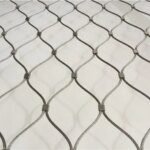
Stainless steel wire rope mesh zoo enclosure :
이 메쉬는 강하다, 내구성이 뛰어나고, 부식 저항성, making it suitable for both indoor and outdoor enclosures. It can accommodate a wide range of animals, from small birds to large mammals, thanks to customizable wire diameters and mesh apertures.

용접 와이어 망:
Composed of steel wires welded together at each intersection, this rigid mesh is often used for medium to large-sized animals like ungulates, 영장류, and big cats. It is sturdy, 오래 견딘, and comes in various sizes and materials, including stainless steel and galvanized steel.

chain link fence zoo enclosure:
This cost-effective option consists of interlinked steel wires forming a diamond-shaped pattern. It is suitable for various animals, such as birds, 영장류, and canines, 하지만 메쉬를 손상시킬 수 있는 크거나 강한 동물에게는 이상적이지 않을 수 있다.

확장 금속 망:
단단한 금속 판 틈으로 만들어져 다이아몬드 모양의 패턴을 형성하며, 이 강하고 내구성 있는 망은 시야가 좋으며 다양한 동물 우리에 적합하다.
육각형 철망:
닭 철망 또는 가금류 그물로도 알려짐, 이 망은 강철 와이어를 꼬아 육각형 구멍을 형성하며. 소동물과 조류 우리에 일반적으로 사용되지만, 크거나 강한 동물에는 적합하지 않을 수 있다.
PVC 코팅 와이어 메쉬:
PVC 층으로 코팅된 강철 와이어로 만들어진다 (폴리염화비닐) 부식과 풍화로부터 추가 보호를 위해. It is suitable for various animal enclosures and comes in different colors to blend with the environment.
크림프 와이어 메쉬:
Created by weaving pre-crimped steel wires bent into wave-like shapes, this rigid and stable mesh is known for its strength, 내구성, 그리고 다재다능성. It is suitable for various animal enclosures, including those for large or strong animals. crimped wire mesh is available in stainless steel, 아연도금 강철, or other materials, and comes in different sizes and wire thicknesses to meet specific enclosure requirements.
By considering these factors and the unique needs of the animals, you can choose the appropriate wire mesh for your zoo enclosure to ensure safety, comfort, and proper care.
아마도 당신이 또한 좋아할 것
» 반품 정책
 반품 정책
 스테인리스 스틸 케이블 인터워브 메시는 완벽한 선택
 스테인리스 스틸 케이블 오픈 페룰 메쉬
 동물원 메쉬: 동물원 내 안전 및 복지 증진
 동물원 메쉬: 안전하고 매력적인 동물 울타리의 핵심
© 2006– BMP. 판권 소유.