


» 블로그 » 동물원 메쉬: 현대 동물원에서 안전과 복지 보장
동물원 메쉬: 현대 동물원에서 안전과 복지 보장
3월 27, 2024
동물원 메쉬: 동물과 방문객을 안전하고 행복하게 지키기
동물원 메시는 오늘날 동물원에서 중요한 역할을 합니다, 동물과 방문객 모두의 안전과 건강을 지키기. 이 글은 동물원 메쉬에 들어가는 내용을 다룹니다, 사람들이 사용하는 재료 포함, 동물에게 어떤 종류의 집을 만들어주는지, 그리고 각 동물 종류에 맞는 메쉬를 선택하는 것이 왜 중요한지. 동물원 메시를 배우면서, 우리는 그것이 모두를 위한 평화롭고 학습이 가득한 공간을 만드는데 어떻게 도움이 되는지 알 수 있습니다.

섹션 1: 동물원 메시의 발전
1.1 초기 동물원과 동물 우리 초기 동물원에서는, 동물들이 종종 좁은 우리에 갇혀 제한된 공간과 열악한 생활 환경에서 생활했습니다. 동물 복지에 대한 이해가 발전함에 따라, 동물원 우리 디자인과 구현 또한 발전했습니다. 현대 동물원은 동물 복지를 증진하고 자연스러운 행동을 자극하는 자연주의적 서식지를 제공하는 것을 우선시합니다.
1.2 동물원 메시의 등장 동물원 메시는 안전하고, 넓으며, 시각적으로 매력적인 우리를 만드는 해결책으로 자리 잡았습니다. Early zoo mesh materials included chain-link and welded wire mesh, which provided containment but were not aesthetically pleasing or animal-friendly. Advances in technology and material science have led to the development of more sophisticated, 내구성이 뛰어나고, and flexible zoo mesh options.
섹션 2: Materials Used in Zoo Mesh
2.1 스테인리스 스틸 동물원 메쉬
People often use stainless steel for zoo mesh because it’s strong, 오래 지속되며, and doesn’t rust easily. You can find it in different types and thicknesses, so you can pick the best one for each animal home.
2.2 Galvanized Steel
Galvanized steel costs less than stainless steel, but it doesn’t fight rust as well and needs more care. People use it for short-term homes or when they need to save money.
2.3 Aluminum Zoo Mesh
Aluminum mesh is light and doesn’t rust, which makes it great for bird homes and small animals. But it’s not as strong as stainless steel, so it might not work for big animals or those that bite hard.
2.4 Synthetic Mesh
Synthetic mesh, made from things like nylon or polyester, is light and bendy. It’s good for bird homes because it’s softer and birds won’t get hurt if they bump into it. But it might not last as long as metal mesh and you might need to replace it more often.

섹션 3: 동물원 메시의 종류
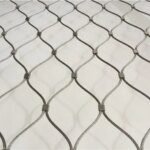
3.1 Woven Mesh Woven mesh is made by interlacing individual strands of wire, creating a flexible and durable material. This type of mesh is ideal for enclosures with irregular shapes or when the mesh needs to be curved or bent.
3.2 Welded Mesh Welded mesh consists of individual wires welded together at each intersection, creating a rigid and strong material. It is suitable for enclosures requiring a flat surface, but it is less flexible than woven mesh and may not be suitable for all applications.
3.3 Knotted Mesh Knotted mesh is created by tying individual strands of wire or synthetic material together at each intersection. This type of mesh is flexible and strong, making it a popular choice for aviaries and other enclosures where flexibility is important.
3.4 expanded metal mesh expanded metal mesh is made by cutting and stretching a single sheet of metal, creating a diamond-shaped pattern. This type of mesh is strong and provides excellent visibility but may not be suitable for all animals due to its rigid and potentially sharp edges.

섹션 4: Selecting the Right Zoo Mesh for Each Species
4.1 Picking the Right Mesh Size and Strength
When choosing zoo mesh, think about how big and strong the animals are. Bigger animals or those with strong jaws need tough, thick mesh so they can’t get out or hurt themselves. The holes in the mesh should also be small enough so animals can’t stick their heads through or get stuck.
4.2 Mesh for Climbers and Perchers
For animals that like to climb or sit up high, like monkeys and birds, you need to pick a mesh that’s safe for them to grab onto and won’t hurt them. Knots in the mesh or a woven style are usually the best for these animals. They can climb or rest comfortably without getting hurt.

Conclusion Zoo Mesh
Zoo mesh is an integral component of modern zoos, providing safe and visually appealing enclosures for a wide variety of animal species. By understanding the different materials, types of mesh, and factors to consider when selecting the right mesh for each species, we can appreciate the role zoo mesh plays in ensuring the well-being of animals and providing an engaging and educational experience for visitors. As zoos continue to evolve and prioritize animal welfare, advancements in zoo mesh technology will undoubtedly play a critical role in shaping the future of zoo design and management.
아마도 당신이 또한 좋아할 것
» 반품 정책
 반품 정책
 스테인리스 스틸 케이블 인터워브 메시는 완벽한 선택
 스테인리스 스틸 케이블 오픈 페룰 메쉬
 동물원 메쉬: 동물원 내 안전 및 복지 증진
 동물원 메쉬: 안전하고 매력적인 동물 울타리의 핵심
© 2006– BMP. 판권 소유.