


动物园网: 确保现代动物园的安全与福祉
3 月 27, 2024
动物园网: 保障动物和游客的安全与幸福
动物园网格在现代动物园中起着至关重要的作用, 保障动物和游客的安全与健康. 本文探讨了动物园网格的相关内容, 包括人们使用的材料, 它为动物创造的各种住所, 以及为每种动物选择合适网格的重要性. 通过了解动物园网格, 我们可以看到它如何帮助营造一个和平且充满学习的环境.
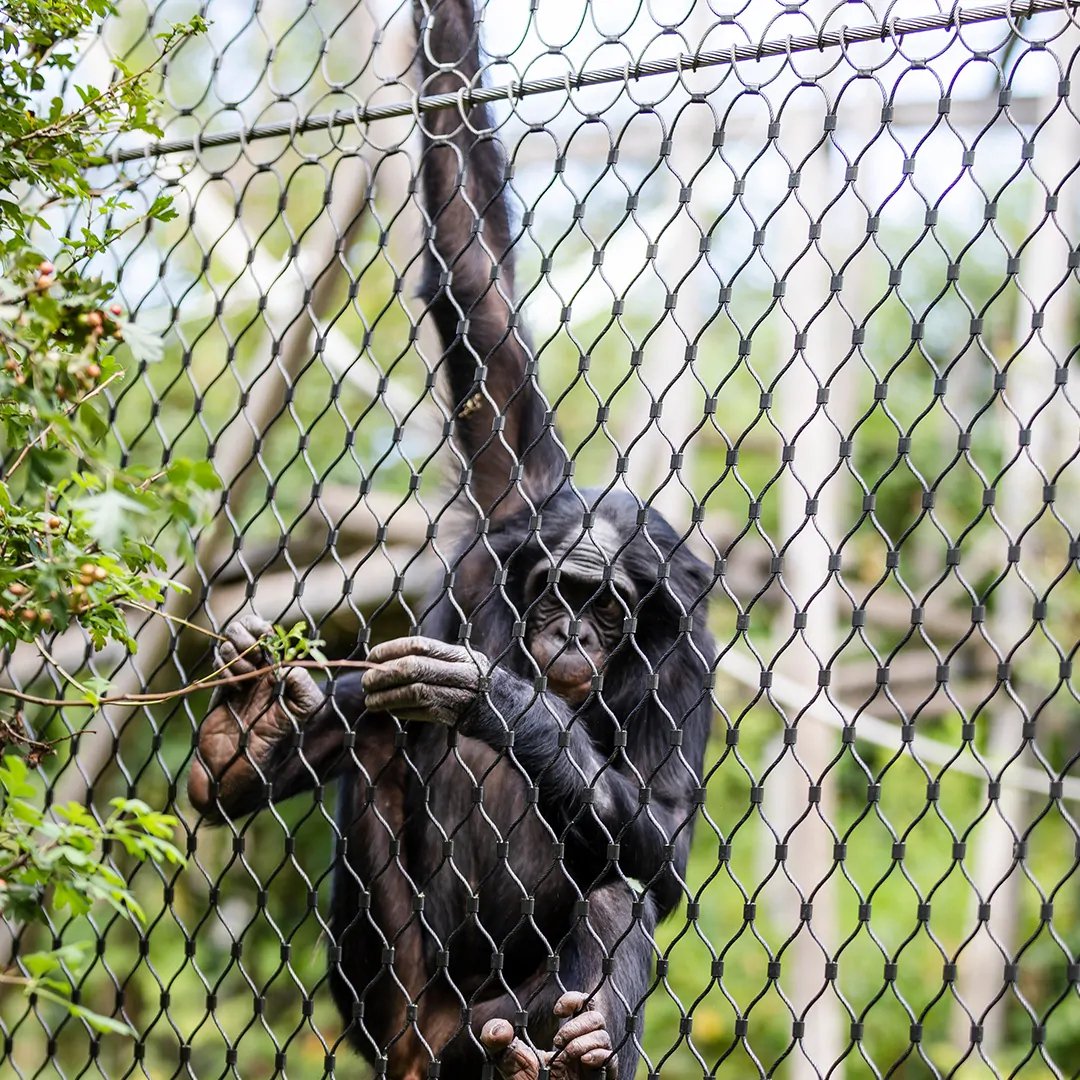
章节 1: 动物园网格的演变
1.1 早期动物园与动物围栏 在动物园的早期, 动物通常被关在狭小的笼子里,空间有限且生活条件差. 随着我们对动物福利的理解不断发展, 动物园围栏的设计和实施也随之演变. Modern zoos prioritize providing naturalistic habitats that promote animal welfare and stimulate natural behaviors.
1.2 The Emergence of Zoo Mesh Zoo mesh has become the go-to solution for creating safe, spacious, and visually appealing enclosures. Early zoo mesh materials included chain-link and welded wire mesh, which provided containment but were not aesthetically pleasing or animal-friendly. Advances in technology and material science have led to the development of more sophisticated, 耐用, and flexible zoo mesh options.
章节 2: Materials Used in Zoo Mesh
2.1 不锈钢动物园网
People often use stainless steel for zoo mesh because it’s strong, 持续时间长, and doesn’t rust easily. You can find it in different types and thicknesses, so you can pick the best one for each animal home.
2.2 Galvanized Steel
Galvanized steel costs less than stainless steel, but it doesn’t fight rust as well and needs more care. People use it for short-term homes or when they need to save money.
2.3 Aluminum Zoo Mesh
Aluminum mesh is light and doesn’t rust, which makes it great for bird homes and small animals. But it’s not as strong as stainless steel, so it might not work for big animals or those that bite hard.
2.4 Synthetic Mesh
Synthetic mesh, made from things like nylon or polyester, is light and bendy. It’s good for bird homes because it’s softer and birds won’t get hurt if they bump into it. But it might not last as long as metal mesh and you might need to replace it more often.
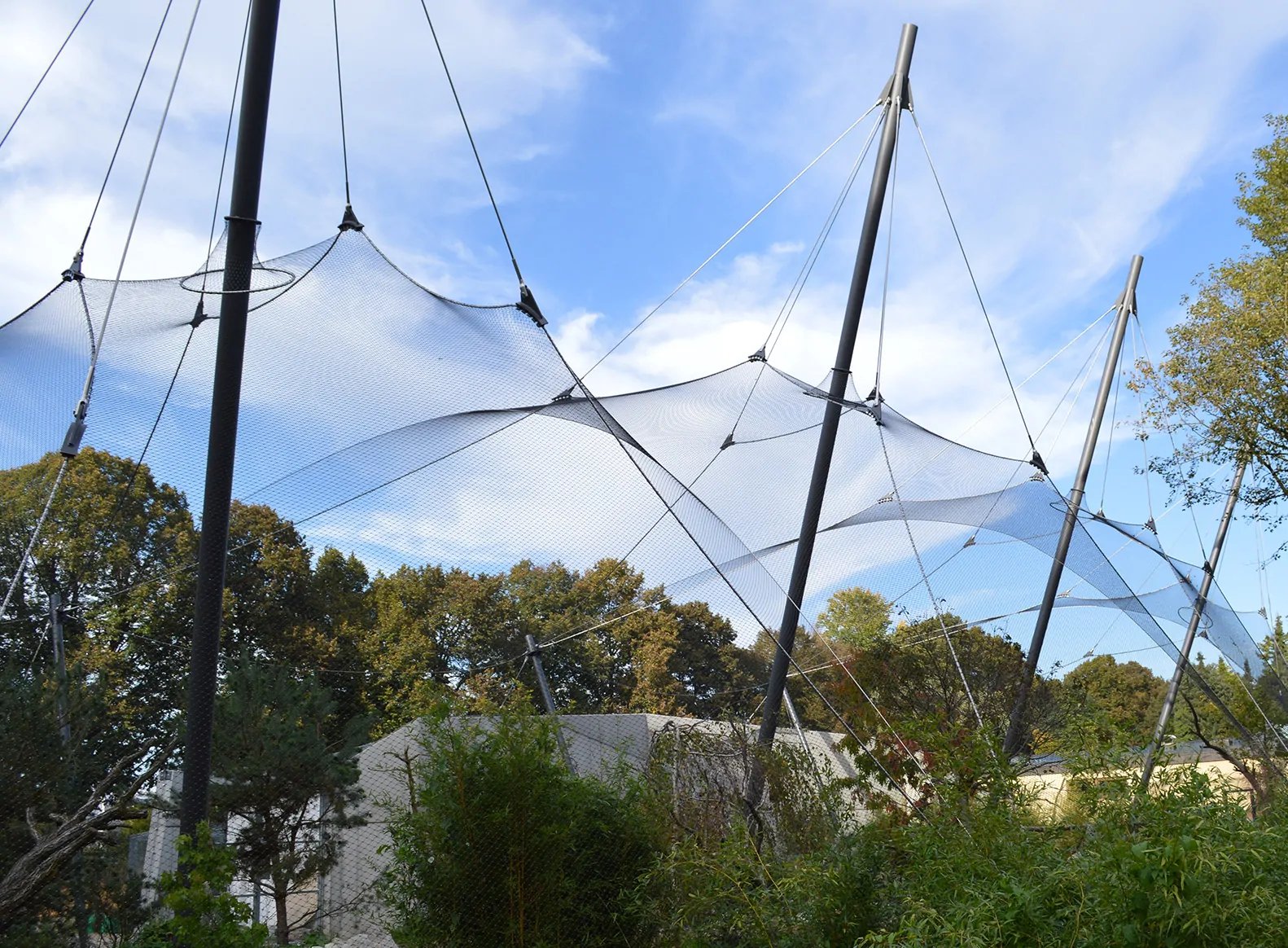
章节 3: 动物园网的类型
3.1 Woven Mesh Woven mesh is made by interlacing individual strands of wire, creating a flexible and durable material. 这种类型的网格非常适合形状不规则的围栏,或者当网格需要弯曲或折弯时使用.
3.2 焊接网 焊接网由在每个交点处焊接在一起的单根金属丝组成, 形成坚固且强韧的材料. 它适用于需要平面表面的围栏, 但它的柔韧性不如编织网,可能并不适合所有应用.
3.3 打结网 打结网是通过在每个交点处将单根金属丝或合成材料绑在一起制成的. 这种类型的网格既灵活又坚固, 使其成为鸟舍和其他需要灵活性的围栏的流行选择.
3.4 扩张金属网 扩张金属网是通过切割并拉伸单张金属板制成的, 形成菱形图案. This type of mesh is strong and provides excellent visibility but may not be suitable for all animals due to its rigid and potentially sharp edges.
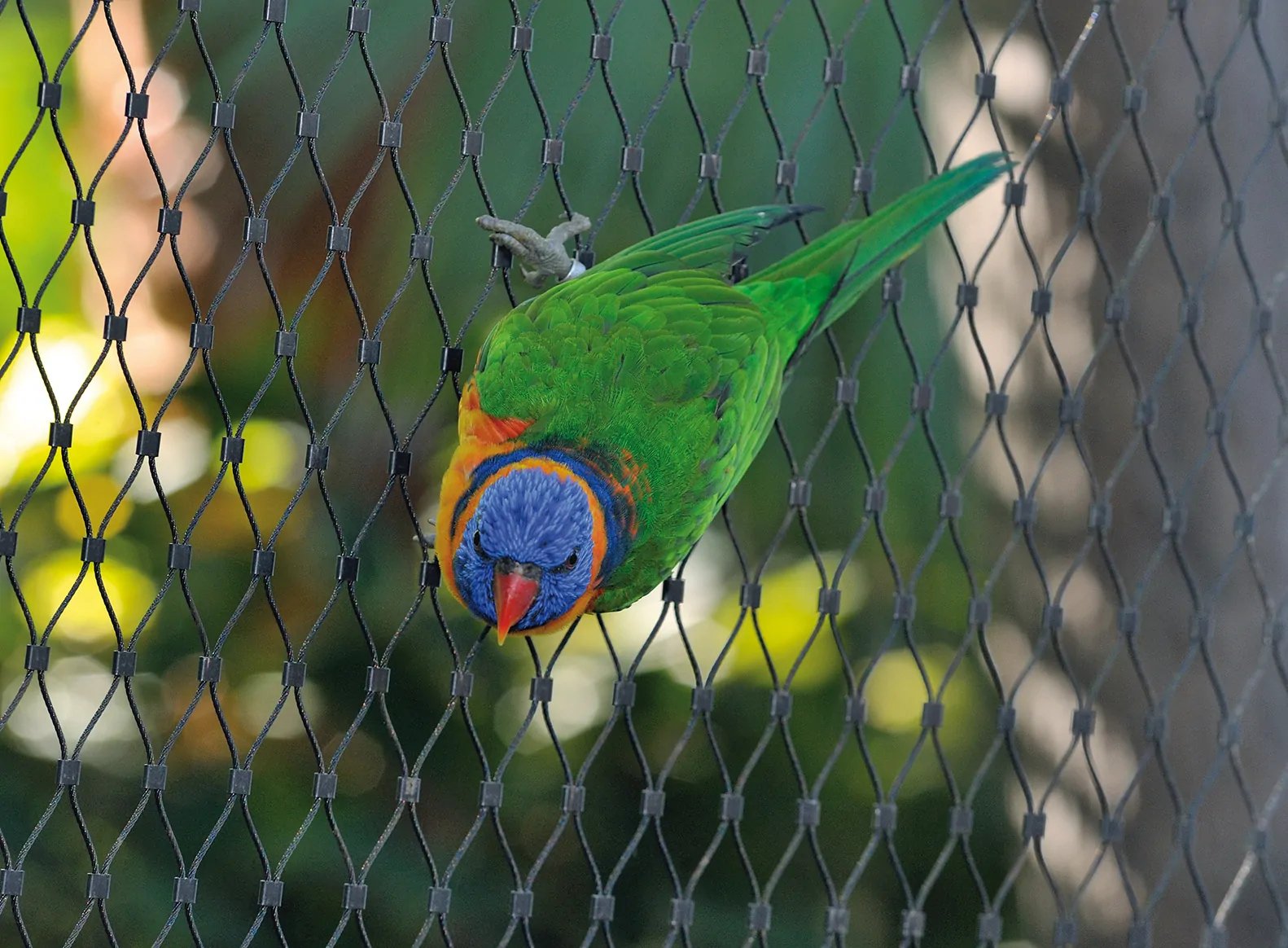
章节 4: Selecting the Right Zoo Mesh for Each Species
4.1 Picking the Right Mesh Size and Strength
When choosing zoo mesh, think about how big and strong the animals are. Bigger animals or those with strong jaws need tough, thick mesh so they can’t get out or hurt themselves. The holes in the mesh should also be small enough so animals can’t stick their heads through or get stuck.
4.2 Mesh for Climbers and Perchers
For animals that like to climb or sit up high, like monkeys and birds, you need to pick a mesh that’s safe for them to grab onto and won’t hurt them. Knots in the mesh or a woven style are usually the best for these animals. They can climb or rest comfortably without getting hurt.
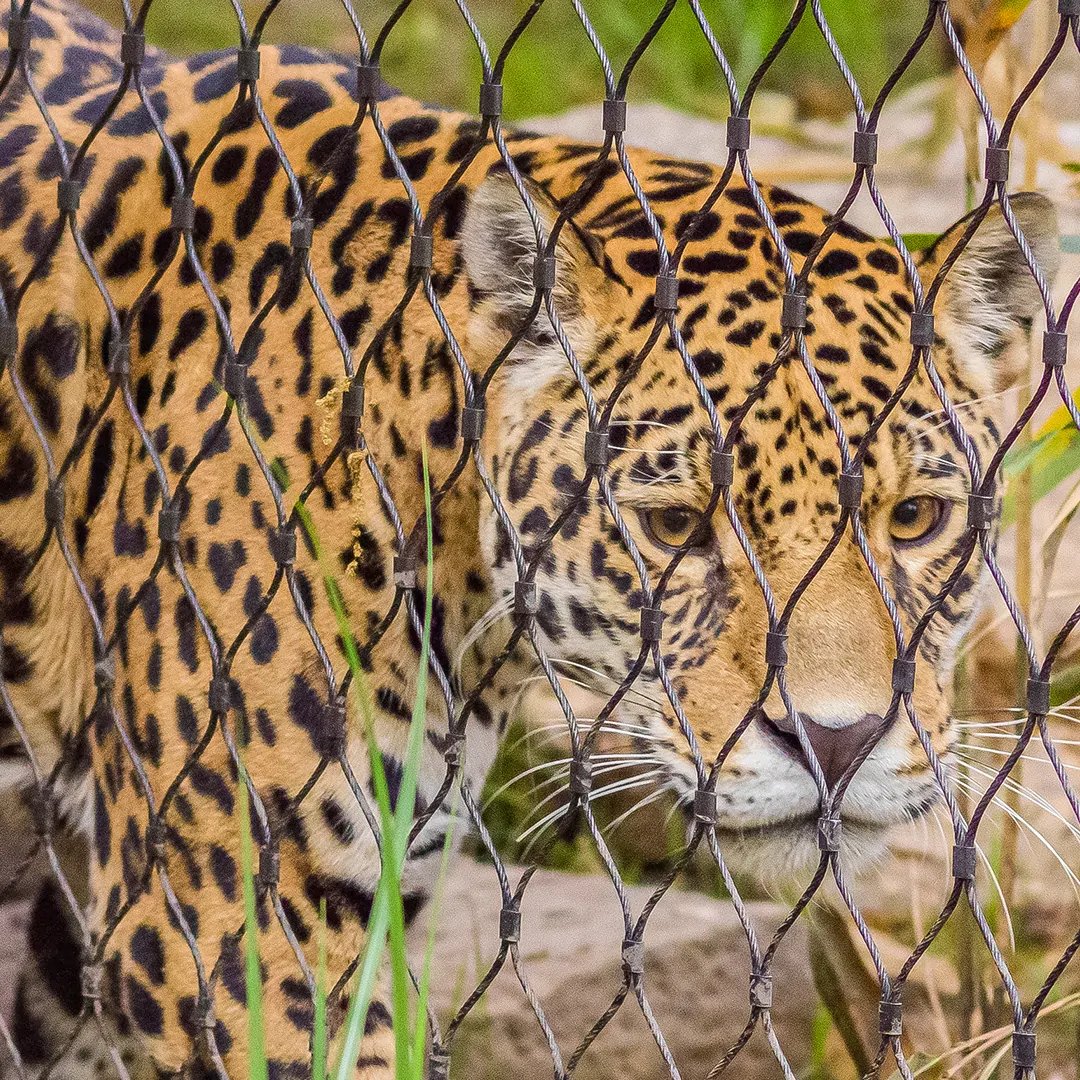
Conclusion Zoo Mesh
Zoo mesh is an integral component of modern zoos, providing safe and visually appealing enclosures for a wide variety of animal species. By understanding the different materials, types of mesh, and factors to consider when selecting the right mesh for each species, we can appreciate the role zoo mesh plays in ensuring the well-being of animals and providing an engaging and educational experience for visitors. As zoos continue to evolve and prioritize animal welfare, advancements in zoo mesh technology will undoubtedly play a critical role in shaping the future of zoo design and management.
也许你也喜欢
» 退货政策
 退货政策
 不锈钢缆索交织网是完美的选择
 不锈钢缆索开放式轧环网
 动物园网: 提升动物园的安全与福祉
 动物园网: 安全且引人入胜的动物围栏的关键
© 2006– BMP的. 版权所有.