


» 블로그 » 316 스테인리스 스틸: A Rust-Resistant Wonder Metal
316 스테인리스 스틸: A Rust-Resistant Wonder Metal
3월 27, 2024
316 stainless steel is a strong, rust-resistant metal used in many areas. It’s made of elements like chromium, nickel, molybdenum, 기타 용도. This blend makes it especially good at resisting tiny holes, cracks, and salty conditions. In this piece, we’ll take a closer look at what makes this metal special, where it’s used, and why it’s so helpful.
Exceptional Durability and Strength
316 stainless steel, known for its exceptional strength, offers the perfect balance between durability and flexibility. This quality is essential for zoo mesh applications, where the enclosure must withstand the physical strength of animals, from the gentle push of a bird to the powerful impact of a large mammal. The robust nature of 316 stainless steel ensures that enclosures remain intact and secure, providing a safe environment for both the inhabitants and the visitors.
Superior Corrosion Resistance
One of the most significant advantages of 316 stainless steel is its enhanced corrosion resistance, especially compared to its counterpart, 304 stainless steel. The addition of molybdenum in 316 stainless steel gives it the ability to resist corrosion in harsh environments, including those exposed to seawater and chlorine. 동물원, often located in varied climates and requiring frequent cleaning, need materials that can withstand these conditions without deteriorating. 316 stainless steel’s corrosion resistance ensures a longer lifespan for zoo meshes, reducing the need for frequent replacements and maintenance.
Safety and Non-Toxicity
Safety is paramount in zoo environments, not just for the visitors but also for the animal inhabitants. 316 스테인리스 스틸은 무독성 재료입니다, 섭취할 경우 동물에게 잠재적으로 해를 끼칠 수 있는 코팅이나 마감 처리가 없습니다. 매끄러운 표면은 망과 접촉할 수 있는 동물의 부상 위험도 최소화합니다. 우리 위를 오르거나 앉을 수 있는 새와 작은 동물들에게, 재료의 안전성은 그들이 베이거나 다른 부상을 입을 위험 없이 탐험할 수 있도록 보장합니다.
미적 매력
기능적 이점 외에도, 316 스테인리스 스틸은 미적인 장점도 제공합니다. 세련되고, 현대적인 외관은 다양한 동물원 환경에 자연스럽게 통합됩니다, 열대 조류 사육장에서 극지 펭귄 전시까지. 재료의 자연스러운 광택이 시야를 향상시켜, 방문객들이 동물을 명확하고 방해받지 않고 볼 수 있도록 보장합니다. 게다가, 시간이 지나도 외관을 유지하는 능력, resisting stains and discoloration, keeps zoo enclosures looking pristine and inviting.
Eco-Friendly
In an age where environmental sustainability is increasingly important, choosing materials that have minimal environmental impact is crucial. 316 stainless steel is 100% recyclable, reducing its ecological footprint. Its long lifespan and durability mean that less material needs to be produced and disposed of over time, contributing to conservation efforts and the sustainable operation of zoos.
적용 분야
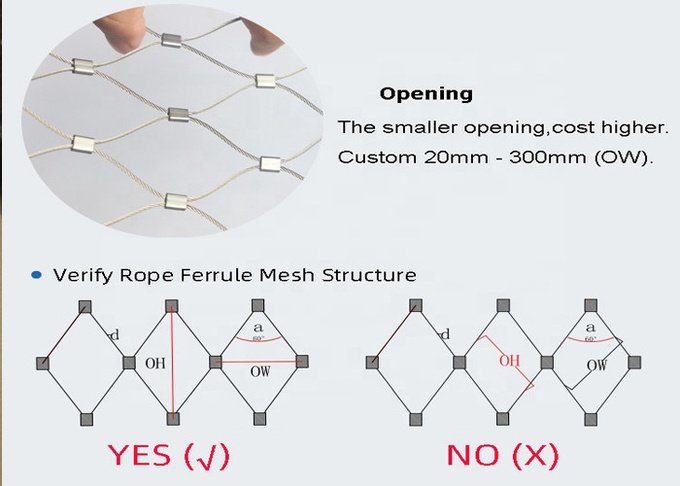
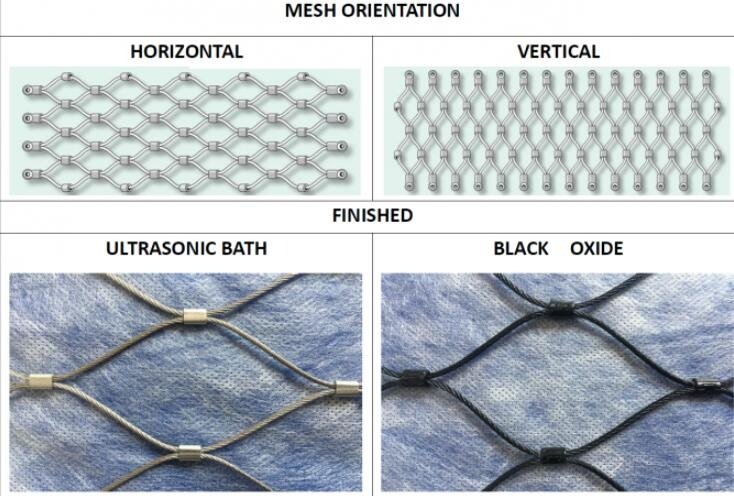
316 stainless steel is super useful. One of the big places you’ll find it is in zoos. They use it to make the mesh for animal enclosures. This zoo mesh is strong and doesn’t rust, so it keeps the animals safe and lasts a long time.
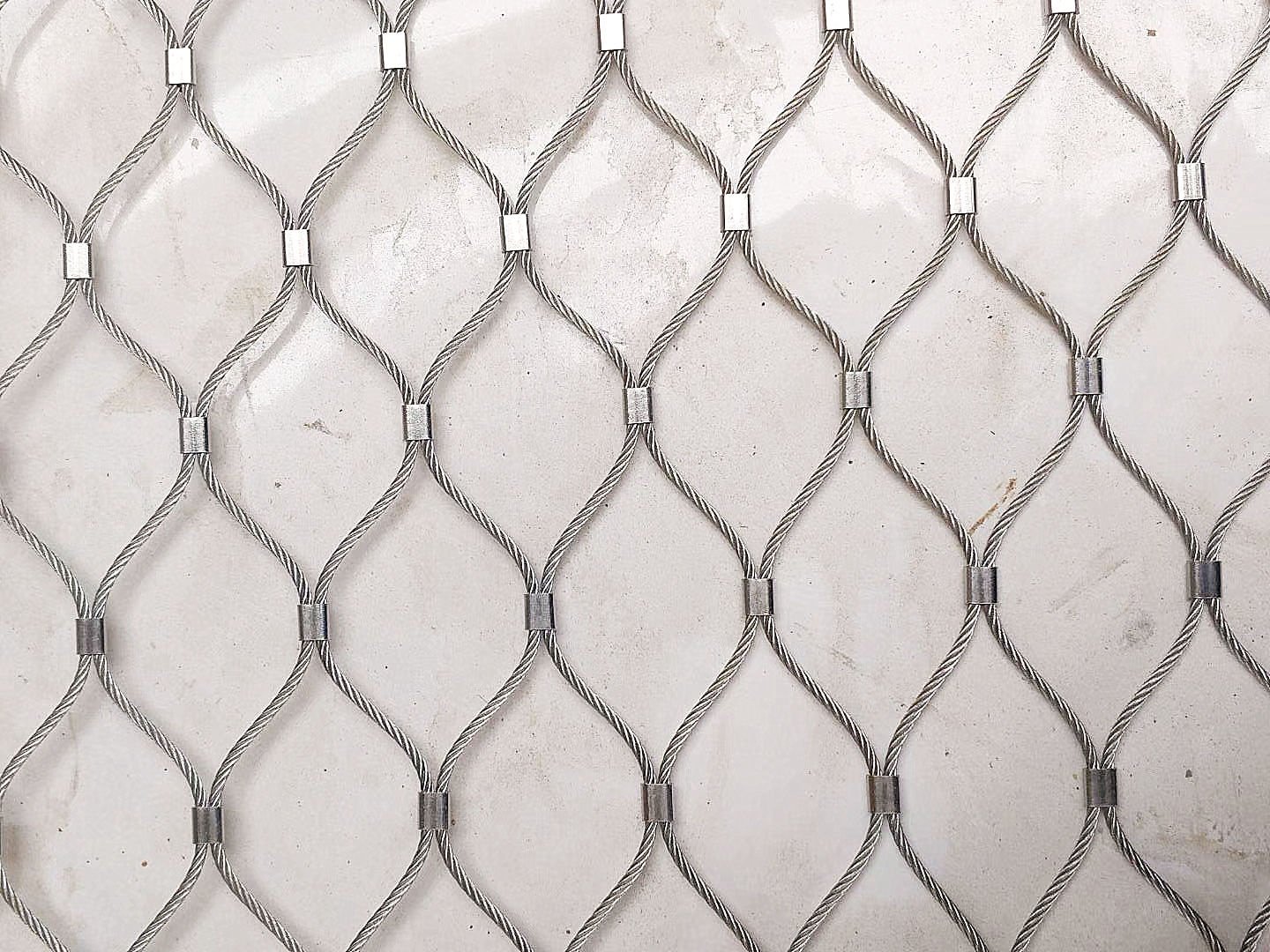
Another place you’ll see stainless steel is in making rope nets. These ropes are super tough and resist rust. They’re perfect for uses where you need strength and durability, like in construction or in heavy-duty cargo nets.
This just shows how versatile 316 stainless steel is. Whether it’s keeping lions safe in a zoo or helping to lift heavy objects, 316L stainless steel gets the job done.
Technical Information
| Property | Value |
|---|---|
| Chemical Composition | Fe, <0.03% C, 16-18.5% Cr, 10-14% Ni, |
| 2-3% Mo, <2% Mn, <1% Si, <0.045% P, <0.03% S | |
| Tensile Strength | Minimum 515 MPa |
| Yield Strength (0.2% Proof) | Minimum 205 MPa |
| Elongation | Minimum 40% in 50 mm |
| Hardness (Rockwell B) | Maximum 95 HR B |
| Density | 8000 kg/m3 |
| Elastic Modulus | 193 GPa |
| Coeff. of Thermal Expansion | 15.9 μm/m/°C (0-100 °C) |
| 16.2 μm/m/°C (0-315 °C) | |
| 17.5 μm/m/°C (0-538 °C) | |
| Thermal Conductivity | 16.3 W/m·K (at 100 °C) |
| 21.5 W/m·K (at 500 °C) | |
| Specific Heat (0-100 °C) | 500 J/kg·K |
| Electrical Resistivity | 740 nΩ·m (at 20 °C) |
Note: The values provided are approximate and may vary depending on specific product forms and manufacturing processes.
Corrosion Resistance and Makeup:
Grade 316 stainless steel is made of special elements that protect it from rust. It has between 16% 및 18.5% chromium that helps form a protective layer on its surface, making it hard for rust to form. Also, it has 2-3% molybdenum that makes it tough against tiny cracks and holes, particularly when in places with lots of salt (chlorides). This type of steel is better than Grade 304 stainless steel when it comes to fighting off rust. This makes it great for heavy-duty jobs.
Strength and Long-lasting:
Grade 316 stainless steel is strong and long-lasting. It can withstand a lot of pulling force, up to 515 MPa, and it can handle a stress level up to 205 MPa before it starts to permanently deform. This steel is very strong and keeps its strength even in very cold temperatures. This makes it suitable for many different places and conditions.
Uses:
Grade 316 stainless steel is useful in many areas. In the food-making industry, it’s used a lot for tools and surfaces because it can handle salt and is easy to clean. It’s also used on lab tables, buildings near the sea, boat parts, and devices that control heat. The steel’s ability to handle salt at high temperatures makes it perfect for containers that carry chemicals and parts in vehicles.
Welding and Shaping:
You can weld Grade 316 stainless steel easily. You can do this with or without extra metals. For welding, you use Grade 316 or 316L rods. If you weld large parts, you need to heat them again after welding. This step keeps the metal strong against rust. You can also shape this steel easily. New types, called “Ugima,” let you shape it faster and with less damage to your tools. This improvement makes work more efficient.
Dual Labels and Other Choices:
You can find some Grade 316 stainless steel products with two labels. These meet both the 316 and 316L standards. You often see these labels on plates and pipes. But, these double-labeled products don’t fit the Grade 316H requirements. You need Grade 316H for structures and things that get very hot. Depending on what you need, you could think about other types. These include 316Ti for better heat resistance, 316N for more strength, and 317L or 904L for better resistance to salt.
Summary:
Many industries pick Grade 316 stainless steel because it resists rust, is strong, and you can use it in many ways. You see it in tools for making food, buildings near the sea, containers for chemicals, and devices that manage heat. Understanding what this metal is made of, how strong it is, 그리고 그것을 사용할 수 있는 곳은 건축가와 디자이너가 그것을 최대한 활용하는 데 도움이 됩니다. 결국, 이는 오래 지속되고 고객을 만족시키는 제품으로 이어집니다.
아마도 당신이 또한 좋아할 것
» 반품 정책
 반품 정책
 스테인리스 스틸 케이블 인터워브 메시는 완벽한 선택
 스테인리스 스틸 케이블 오픈 페룰 메쉬
 동물원 메쉬: 동물원 내 안전 및 복지 증진
 동물원 메쉬: 안전하고 매력적인 동물 울타리의 핵심
© 2006– BMP. 판권 소유.