


» בלוג » 316 פלדת אל חלד: מתכת פלא עמידה בפני חלודה
316 פלדת אל חלד: מתכת פלא עמידה בפני חלודה
מרץ 27, 2024
316 פלדת אל חלד היא מתכת חזקה, עמידה בפני חלודה שנמצאת בשימוש במגוון תחומים. היא עשויה מיסודות כמו כרום, ניקל, מוליבדן, ועוד. תערובת זו עושה אותה במיוחד טובה בהתנגדות לחורים זעירים, סדקים, Conditions מלוחות. במאמר זה, נבחן מקרוב מה עושה את המתכת הזו מיוחדת, איפה משתמשים בה, ולמה היא כל כך מועילה.
עמידות וחוזק יוצאי דופן
316 פלדת אל-חלד, ידועה בזכות החוזק יוצא הדופן שלה, מציעה את האיזון המושלם בין עמידות וגמישות. תכונה זו חיונית ליישומים של רשתות גן חיות, שבו הכלוב חייב לעמוד בחוזק הפיזי של בעלי החיים, מהדחיפה העדינה של ציפור ועד למכה העוצמתית של יונק גדול. הטבע החזק של 316 פלדת אל חלד מבטיחה שהכלובים נשארים שלמים ומאובטחים, providing a safe environment for both the inhabitants and the visitors.
Superior Corrosion Resistance
One of the most significant advantages of 316 stainless steel is its enhanced corrosion resistance, especially compared to its counterpart, 304 פלדת אל-חלד. The addition of molybdenum in 316 stainless steel gives it the ability to resist corrosion in harsh environments, including those exposed to seawater and chlorine. גני חיות, often located in varied climates and requiring frequent cleaning, need materials that can withstand these conditions without deteriorating. 316 stainless steel’s corrosion resistance ensures a longer lifespan for zoo meshes, reducing the need for frequent replacements and maintenance.
Safety and Non-Toxicity
Safety is paramount in zoo environments, not just for the visitors but also for the animal inhabitants. 316 stainless steel is a non-toxic material, free from coatings or finishes that could potentially harm animals if ingested. Its smooth surface also minimizes the risk of injuries for animals that might come into contact with the mesh. For birds and smaller creatures that might climb or perch on the enclosures, the material’s safety ensures that they can explore without the risk of cuts or other injuries.
משיכה אסתטית
Beyond its functional benefits, 316 stainless steel also offers aesthetic advantages. Its sleek, modern appearance integrates seamlessly into various zoo environments, from tropical bird aviaries to arctic penguin exhibits. The material’s natural sheen enhances visibility, ensuring that visitors have a clear and unobstructed view of the animals. Moreover, its ability to maintain its appearance over time, עמיד בפני כתמים ושינוי צבע, שומר על גני החיות נראים נקיים ומזמינים.
ידידותי לסביבה
בעידן שבו קיימות סביבתית הופכת חשובה יותר ויותר, בחירת חומרים שיש להם השפעה סביבתית מינימלית היא חיונית. 316 פלדת אל-חלד היא 100% ניתנת למיחזור, מפחיתה את טביעת הרגל האקולוגית שלה. אורך החיים הארוך והעמידות שלה משמעותיים בכך שפחות חומר צריך להיוצר ולהושלך לאורך זמן, תורמת למאמצי שימור ולהפעלת גני חיות בצורה בת קיימא.
יישומים
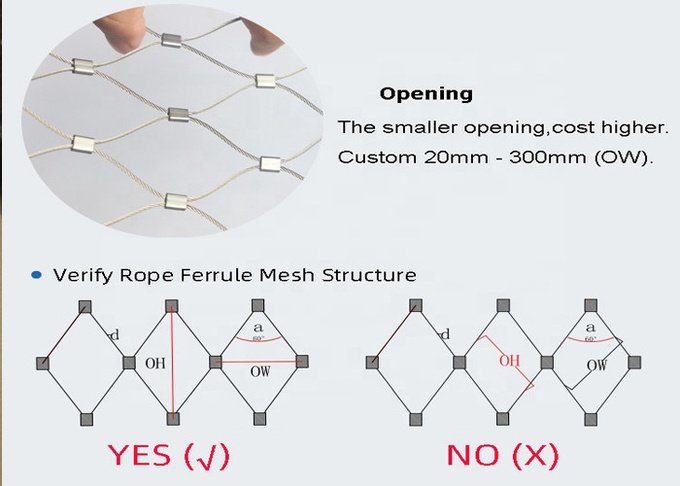
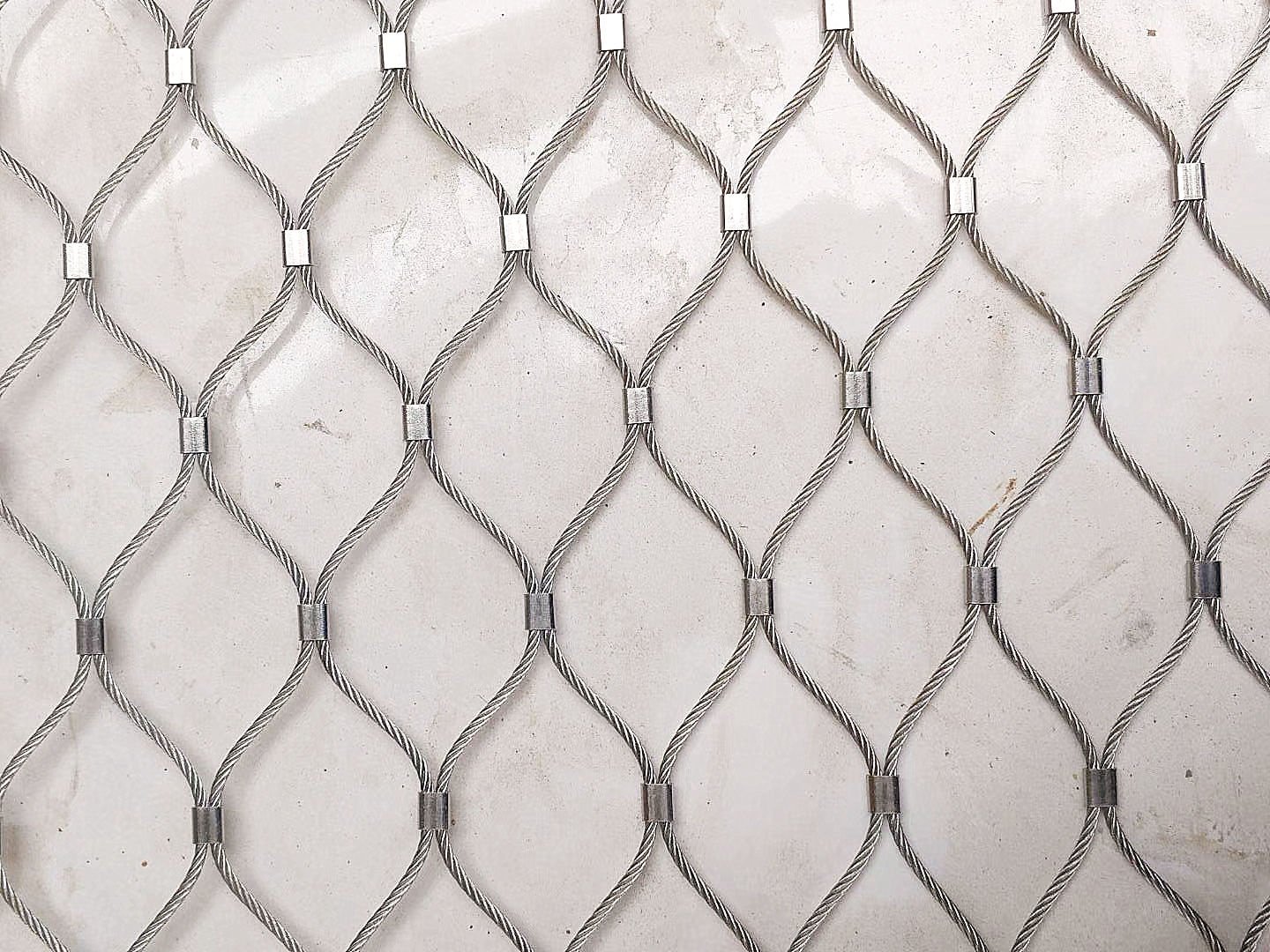
316 פלדת אל-חלד מאוד שימושית. אחת המקומות הגדולים שבהם תמצאו אותה היא בגני חיות. הם משתמשים בה להכנת הרשתות עבור מכלאות החיות. הרשת הזו חזקה ואינה מחלידה, כך היא שומרת על בטיחות החיות ונשארת לאורך זמן רב.
מקום נוסף שבו תראו פלדת אל-חלד הוא בייצור רשתות חבל. These ropes are super tough and resist rust. They’re perfect for uses where you need strength and durability, like in construction or in heavy-duty cargo nets.
This just shows how versatile 316 פלדת אל-חלד היא. Whether it’s keeping lions safe in a zoo or helping to lift heavy objects, 316L stainless steel gets the job done.
מידע טכני
| Property | Value |
|---|---|
| Chemical Composition | Fe, <0.03% C, 16-18.5% Cr, 10-14% Ni, |
| 2-3% Mo, <2% Mn, <1% Si, <0.045% P, <0.03% S | |
| Tensile Strength | Minimum 515 MPa |
| Yield Strength (0.2% Proof) | Minimum 205 MPa |
| Elongation | Minimum 40% in 50 מ״מ |
| Hardness (Rockwell B) | Maximum 95 HR B |
| Density | 8000 kg/m3 |
| Elastic Modulus | 193 GPa |
| Coeff. of Thermal Expansion | 15.9 μm/m/°C (0-100 °C) |
| 16.2 μm/m/°C (0-315 °C) | |
| 17.5 μm/m/°C (0-538 °C) | |
| Thermal Conductivity | 16.3 W/m·K (at 100 °C) |
| 21.5 W/m·K (at 500 °C) | |
| Specific Heat (0-100 °C) | 500 J/kg·K |
| Electrical Resistivity | 740 nΩ·m (at 20 °C) |
הערה: The values provided are approximate and may vary depending on specific product forms and manufacturing processes.
Corrosion Resistance and Makeup:
Grade 316 stainless steel is made of special elements that protect it from rust. It has between 16% ו 18.5% chromium that helps form a protective layer on its surface, making it hard for rust to form. גם, it has 2-3% molybdenum that makes it tough against tiny cracks and holes, particularly when in places with lots of salt (chlorides). This type of steel is better than Grade 304 stainless steel when it comes to fighting off rust. This makes it great for heavy-duty jobs.
Strength and Long-lasting:
Grade 316 stainless steel is strong and long-lasting. It can withstand a lot of pulling force, up to 515 MPa, and it can handle a stress level up to 205 MPa before it starts to permanently deform. This steel is very strong and keeps its strength even in very cold temperatures. This makes it suitable for many different places and conditions.
Uses:
Grade 316 stainless steel is useful in many areas. In the food-making industry, it’s used a lot for tools and surfaces because it can handle salt and is easy to clean. It’s also used on lab tables, buildings near the sea, boat parts, and devices that control heat. The steel’s ability to handle salt at high temperatures makes it perfect for containers that carry chemicals and parts in vehicles.
Welding and Shaping:
You can weld Grade 316 stainless steel easily. You can do this with or without extra metals. For welding, you use Grade 316 or 316L rods. If you weld large parts, you need to heat them again after welding. This step keeps the metal strong against rust. You can also shape this steel easily. New types, called “Ugima,” let you shape it faster and with less damage to your tools. This improvement makes work more efficient.
Dual Labels and Other Choices:
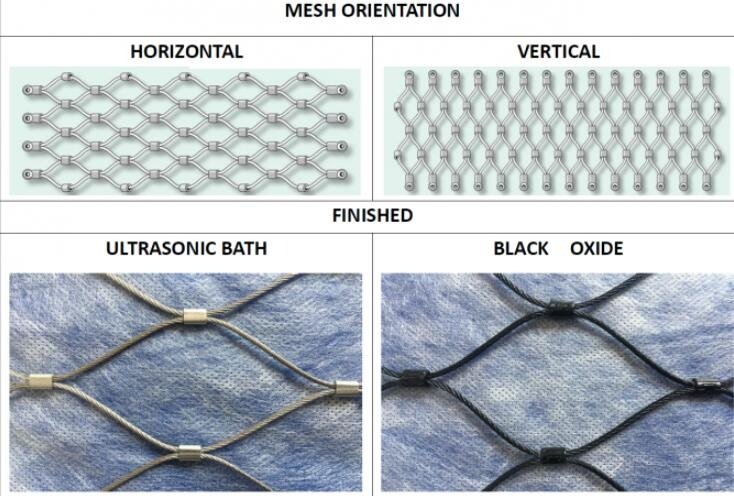
You can find some Grade 316 stainless steel products with two labels. These meet both the 316 and 316L standards. You often see these labels on plates and pipes. But, these double-labeled products don’t fit the Grade 316H requirements. You need Grade 316H for structures and things that get very hot. Depending on what you need, you could think about other types. These include 316Ti for better heat resistance, 316N for more strength, and 317L or 904L for better resistance to salt.
Summary:
Many industries pick Grade 316 stainless steel because it resists rust, is strong, and you can use it in many ways. You see it in tools for making food, buildings near the sea, containers for chemicals, and devices that manage heat. Understanding what this metal is made of, how strong it is, ואיפה אפשר להשתמש בזה עוזר לבונים ומעצבים להשתמש בו בצורה הטובה ביותר. בסופו של דבר, זה מוביל למוצרים שמחזיקים זמן רב ומספקים את הלקוחות.
אולי גם אתם אוהבים
 מדיניות החזרות
 רשת משולבת של כבל נירוסטה היא הבחירה המושלמת
 רשת פרולה פתוחה בכבל נירוסטה
 רשת לגן חיות: שיפור הבטיחות והרווחה בפארקים זואולוגיים
 רשת לגן חיות: המפתח לכלואים בטוחים ומרתקים לחיות
© 2006– BMP. כל הזכויות שמורות.