


» 스테인레스 스틸 로프 메쉬 » Stainless Steel Wire Rope Mesh: 다목적 및 내구성 있는 재료



- 사양
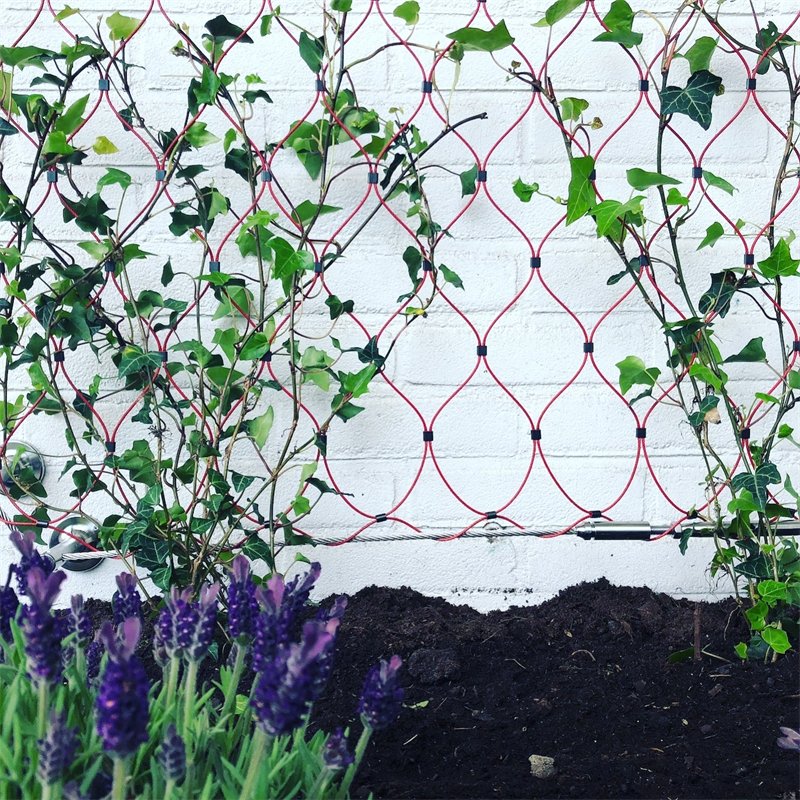
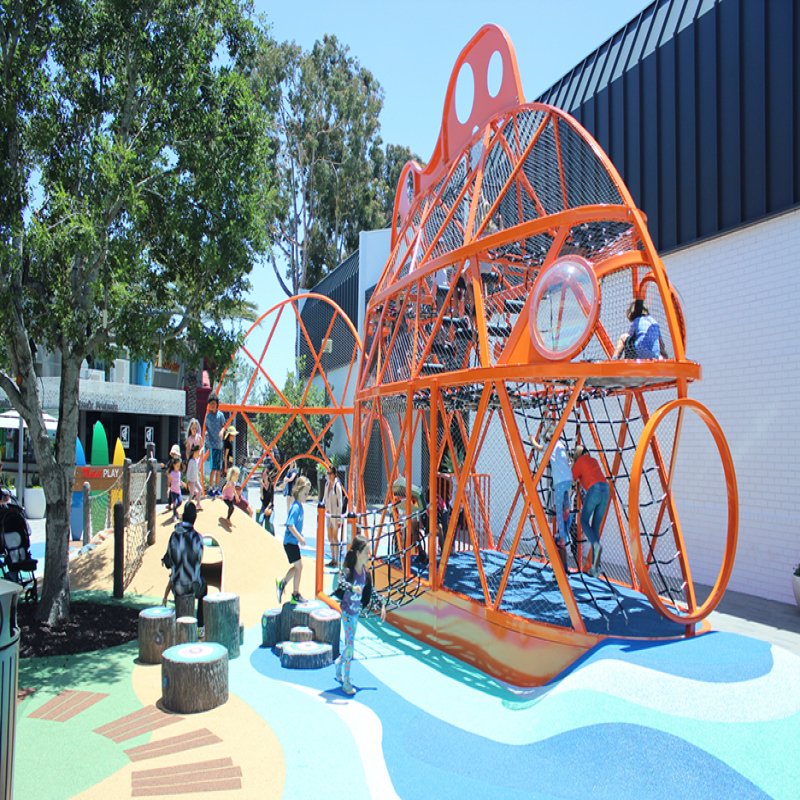
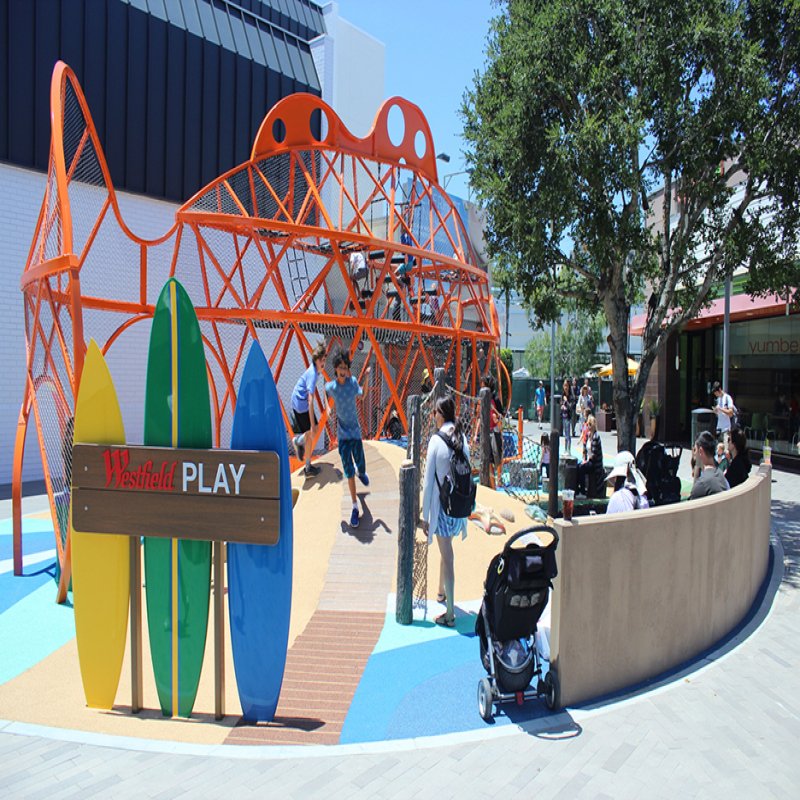
Stainless steel wire rope mesh is a very flexible and strong material made from top-quality stainless steel cable. You can get this mesh in stainless steel grades like type 304, 304L, 316, 및 316L. It is available in structures with 7 x 7 및 7 x 19 cable configurations. With many standard mesh sizes and diameters, various industries use this mesh. These industries include hotels, shopping malls, supermarkets, offices, and spaces for indoor decoration, mechanical protection, electrical ventilation, and aquaculture.
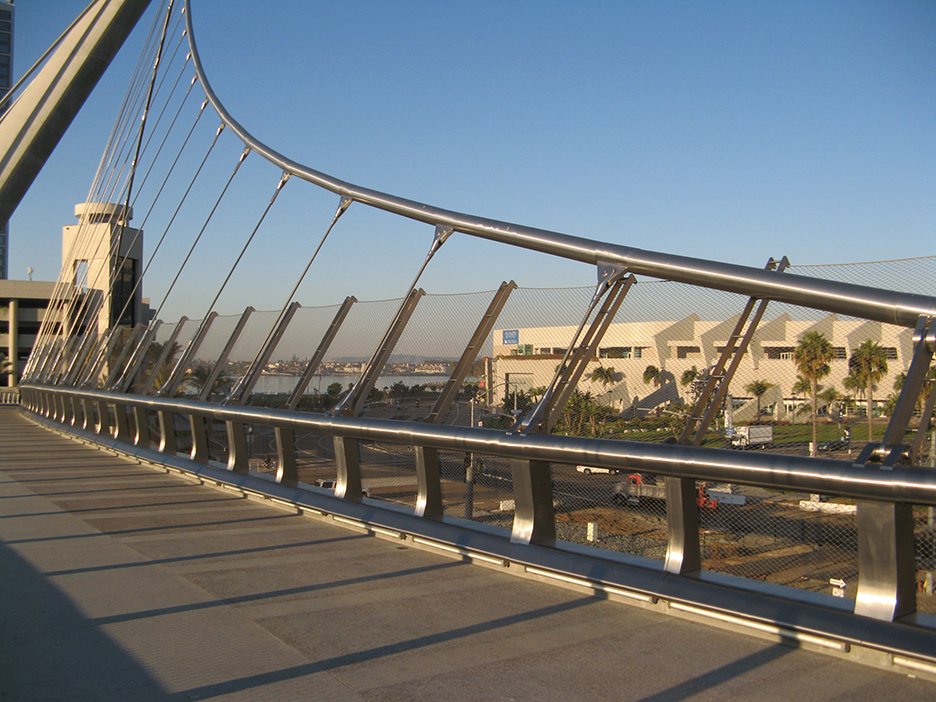
사양:
| 사양 | 세부사항 |
|---|---|
| 재질 | AISI standard 304/316 stainless steel rope |
| 구조 | 7×7 또는 7×19 |
| 로프 직경 | 1.0mm, 1.5mm, 2.0mm, 3.0mm, 4.0mm |
| Mesh size | 60mm or 80mm |
| Panel height | 720mm, 840mm, 960mm (custom height available) |
| Frame material | Welded galvanized steel or AISI316 stainless steel tubular frame |
| Frame diameter | 17.2mm to 26.9mm |
| Frame wall thickness | 2mm |
| 메시 개구 크기 | 20mm x 35mm to 200mm x 346mm |
| Mesh barrier assembly | Seamless ferrules and stainless steel wire rope |
| Mesh barrier angle | 60° (option for 20°-90° angle) |
| 특징 | 고강도, soft and flexible, 내식성, handmade, glare-free, 친환경 |
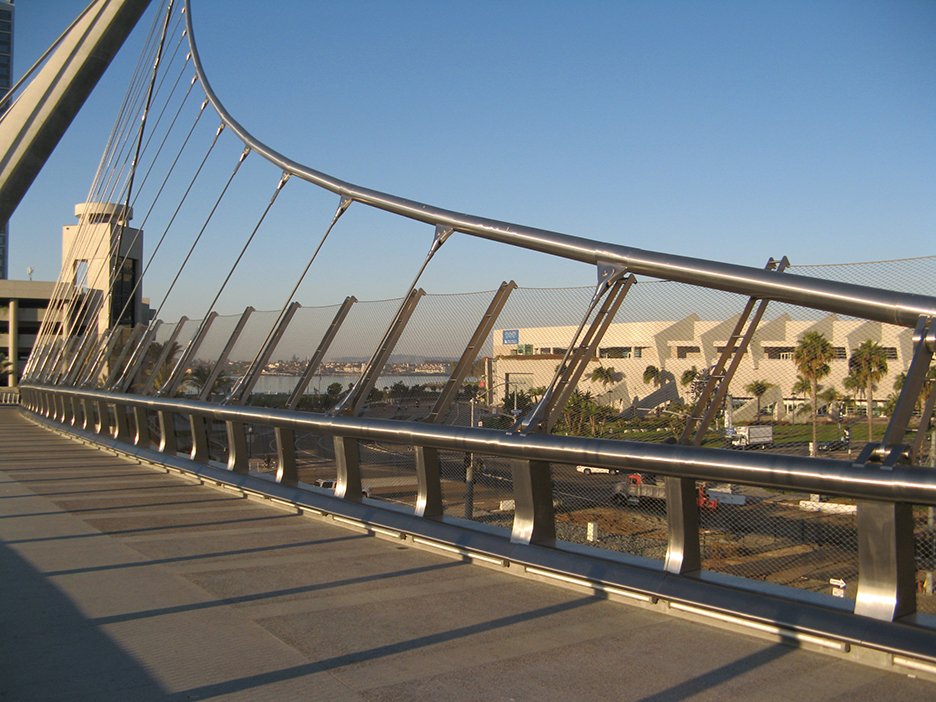
| 적용 분야 | Bridge, path, stair, balcony balustrades |
| Top specifications | MBRE-1, MBRE-2, MBRE-3, MBRE-4 |
| Mesh structure | BOSSMETAL (various opening width and height) |
| Opening width | 20mm to 200mm |
| Opening height | 35mm to 346mm |
| Opening gauge | 60° standard (angle option: 30°-90°) |
Early Developments
The history of stainless steel began in the early 20th century. In 1913, English metallurgist Harry Brearley discovered a steel alloy with 12.8% chromium and 0.24% carbon, which was remarkably resistant to corrosion. This discovery marked the birth of “stainless steel.” Initially, its corrosion-resistant properties made it popular for cutlery and surgical instruments.
Expansion into Structural Applications
By the mid-20th century, as metallurgical processes advanced, 제조업체들은 스테인리스 스틸을 보다 구조적인 용도로 활용하기 시작했다. 스테인리스강의 강도, 유연성, 방부식 특성 덕분에 케이블 제작과 결국, 와이어 로프 메쉬.
와이어 로프 메쉬의 도입
스테인리스 스틸 와이어 로프 메시의 실제 개발은 정확한 날짜가 없으나, 스테인리스강의 특성이 중장비 용도에서 더 높이 평가되면서 발전한 것으로 이해된다. 여기에는 다리, 산업 기계, 그리고 결국, 건축적 용도.
건축 및 안전 응용 분야
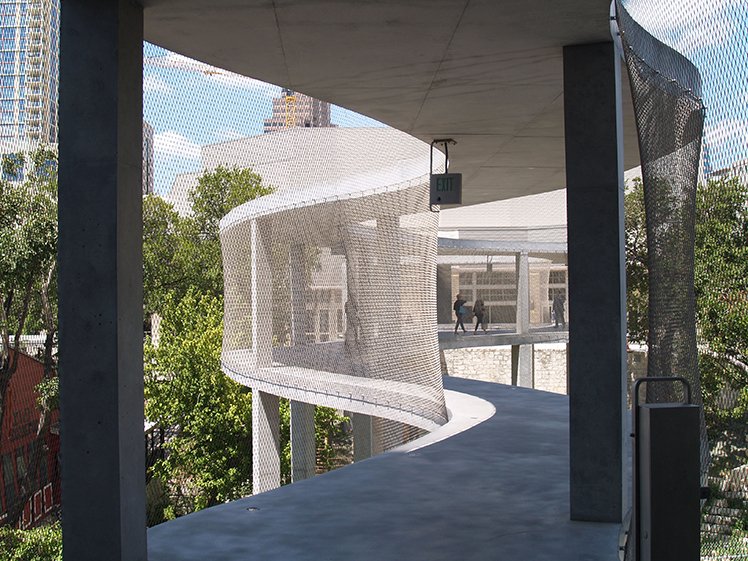
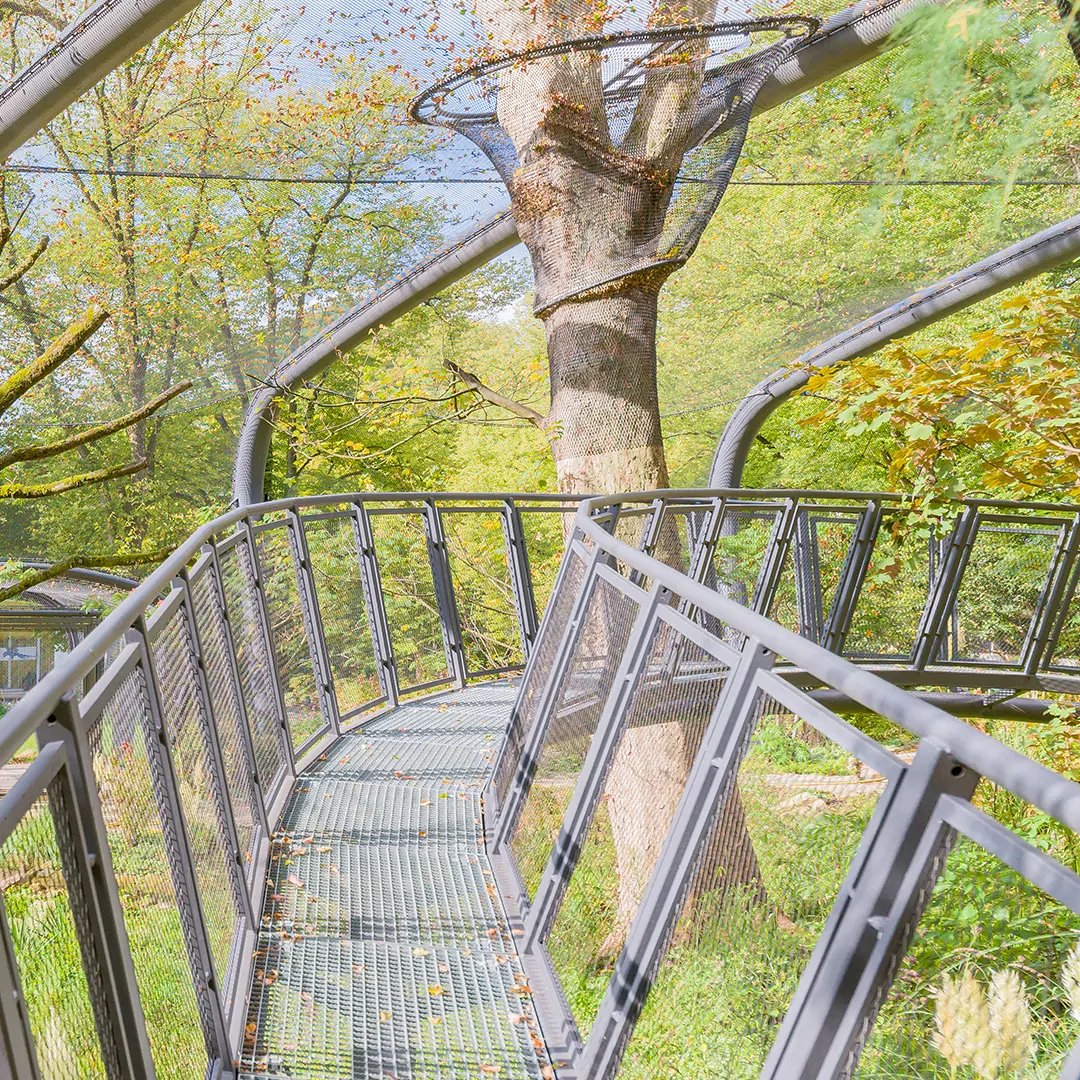
20세기 후반, 건축가와 엔지니어들이 미적 매력과 구조적 완전성을 위해 스테인리스 스틸 와이어 로프 메시를 사용하기 시작했다. 외관에 적용되었다, 난간, and other forms of decorative yet functional barriers. Its transparency and strength made it an excellent choice for safety barriers in zoos and animal enclosures, allowing clear visibility without compromising the safety of animals or visitors.
Modern Innovations
In recent decades, the production techniques for stainless steel wire rope mesh have become more sophisticated. The introduction of automated and precision engineering has allowed for the production of meshes with varying degrees of thickness, mesh size, and flexibility, making it suitable for a wider range of applications from safety nets in construction sites to intricate designs in architectural projects.
Today’s Usage
Today, stainless steel wire rope mesh is widely used across various industries due to its durability, 유연성, and minimal maintenance needs. It’s found in zoological designs, 해양 공원, architectural aesthetics, and even in public safety applications such as slope stabilization and fall protection in industrial environments.
특징:
- High flexibility and adaptability
- Anti-corrosion and rust-resistant
- High strength and strong toughness
- Can be bent and folded for easy transportation and installation
- Resistant to chewing by rodents and other pests
- Can withstand heavy snow and gale-force winds
- Non-toxic, 안전, and environmentally friendly
장점:
- 내구성: The stainless steel material resists corrosion and rust well, ensuring a long lasting and low-maintenance solution.
- Versatility: You can customize the mesh to different shapes, sizes, and cable structures to fit various applications.
- 미적 매력: Stainless steel wire rope mesh has a sleek and modern look that complements any architectural design.
- Security: The high-strength mesh creates a strong barrier against intrusion and works well for security fencing or reinforcement.
적용 분야: Here are some ways people use stainless steel wire rope mesh:
Architectural and Interior Design: For building fronts, 천장, stair railings, and indoor decor.
Zoos and Marine Parks: For animal homes, 조류망, and animal fences.
Public Spaces: In parks, for community safety, on doors, windows, and in garden decor.
Industry: As covers to protect machines, for air flow in electrical systems, and in fish farming.
Building Reinforcement and Security: For lifting items, sealing cars, protecting slopes, supporting mines, and preventing break-ins.
Exploring the Types of Stainless Steel Rope Mesh
Stainless steel rope mesh is a highly versatile material known for its strength, 내구성, 부식 저항성 등이 포함됩니다. It’s perfect for many different industries. Here are the common types of stainless steel rope mesh and what they are best for:
- Cable Netting Workers make cable netting from woven stainless steel cables. It’s famous for its flexibility and strength. People often use it for projects that need to look good and last long, like building facades, 동물원 시설, and safety nets in factories.
- 스테인리스 스틸 와이어 로프 메쉬 This type of mesh is like cable netting but offers even greater strength and can support more weight. It’s perfect for suspension bridges, staircases, and railings where safety is key.
- Knotted Cable Mesh Workers make knotted cable mesh by tying stainless steel cables at the intersections. 이것은 안전하고 단단한 구조를 만듭니다. 특히 새장이나 큰 동물 우리처럼 강력한 장벽이 필요한 야외용으로 좋습니다.
- 페룰 타입 케이블 메쉬 페룰 타입 케이블 메쉬에서는, 작업자들이 교차점에서 스테인리스 스틸 케이블을 페룰을 사용해 연결합니다, 페룰은 원통형 또는 다이아몬드 모양의 금속 슬리브입니다. 이 메쉬 유형은 매우 유연하고 보기에도 좋습니다, 그래서 장식용으로 사용하기 좋습니다, 그린 월, 건물 외관.
- 스퀘어 케이블 메쉬 스퀘어 케이블 메쉬는 정사각형 구멍이 있는 격자 구조를 가지고 있어, 균일하고 기하학적인 느낌을 줍니다. 이 유형은 종종 현대 건축에서 가시성과 보호를 조화롭게 결합한 인상적인 외관이나 내부 벽을 만들 때 사용됩니다.
결론:
스테인리스 스틸 와이어 로프 메쉬는 다용도이며, 내구성이 뛰어나고, 심미적으로도 만족스럽습니다, serving multiple industries well. You can customize its specifications to meet specific project requirements, making it a top choice for architects, designers, and engineers. Its anti corrosive properties, 강도, and flexibility ensure it lasts long and offers cost-effectiveness. This makes it a reliable solution for various applications
문의 양식 ( 가능한 한 빨리 회신드리겠습니다 )
아마도 당신이 또한 좋아할 것


© 2006– BMP. 판권 소유.